article · Materials, understood
Slip reports: what a test number can and cannot tell you
Interpret test methods and manufacturer use classifications without treating a laboratory number as a safety guarantee.
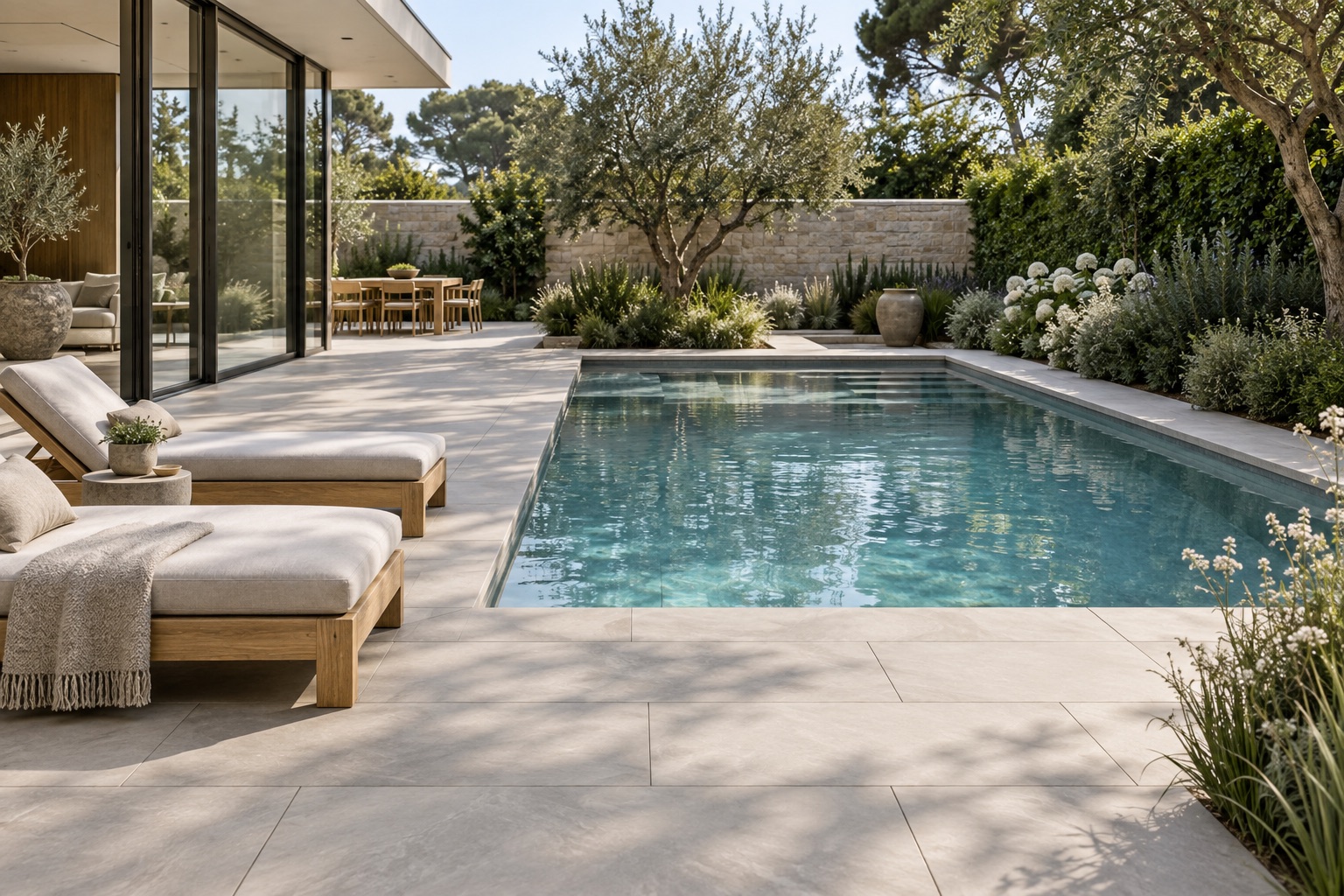
A number is one part of the decision
TCNA explains that dynamic coefficient of friction and slip resistance are not synonymous. A test value is useful information about a measured interaction, but it is not a forecast that a person will never slip. Start the conversation with the intended use and the actual surface conditions. A pool surround, a kitchen floor and a dry hallway involve different exposures. Put those conditions on the selection record before evaluating a product’s report.
Request the actual report
Ask for the test method, finish identification and manufacturer use classification for the candidate being supplied. A reference to a collection is insufficient if finishes differ. Confirm whether a coating or treatment is included in the tested condition. TCNA’s guidance describes manufacturer-declared application categories as well as measured values. Do not reuse an indoor threshold as a universal exterior rule, and do not assume two test methods support direct numerical comparison.
Describe the real operating environment
For the project review, list water sources, likely residues, footwear or barefoot use, drainage, cleaning access and areas where traffic changes direction. These are observations to bring to the specifier, not variables this article converts into a safety score. Photograph the relevant conditions and distinguish existing defects from proposed details. A laboratory result cannot explain why water persists at a particular door or how an owner actually maintains a deck.
Balance traction and usable circulation
The Access Board’s surface guidance notes the importance of stability and the difficulty very rough surfaces can create for wheeled mobility aids. It also explains that its standards do not prescribe one universal coefficient of friction. Confirm the requirements that apply to the project with the responsible professional. Compare the walking route, openings and transitions along with the chosen finish. Adding texture alone does not resolve every accessibility or maintenance issue.
Make the approval specific
Ask the designer to document the product and conditions considered, including the maintenance assumptions. Keep the report and approval with the purchase record. If the finish, cleaning treatment or use changes, revisit the decision instead of treating the original number as permanent permission. The useful outcome is a defensible material choice with understood limitations, supported by drainage and care planning. It is not a badge promising a slip-free installation.
Sources
- Dynamic coefficient of friction: questions and product use classifications Tile Council of North America
- Floor and ground surfaces: accessible routes and openings US Access Board