article · Trade coordination
Surface handoff: leave records a future owner can use
What to hand over at the end of a surface project: care guides, spare material, records, and a clear maintenance plan.
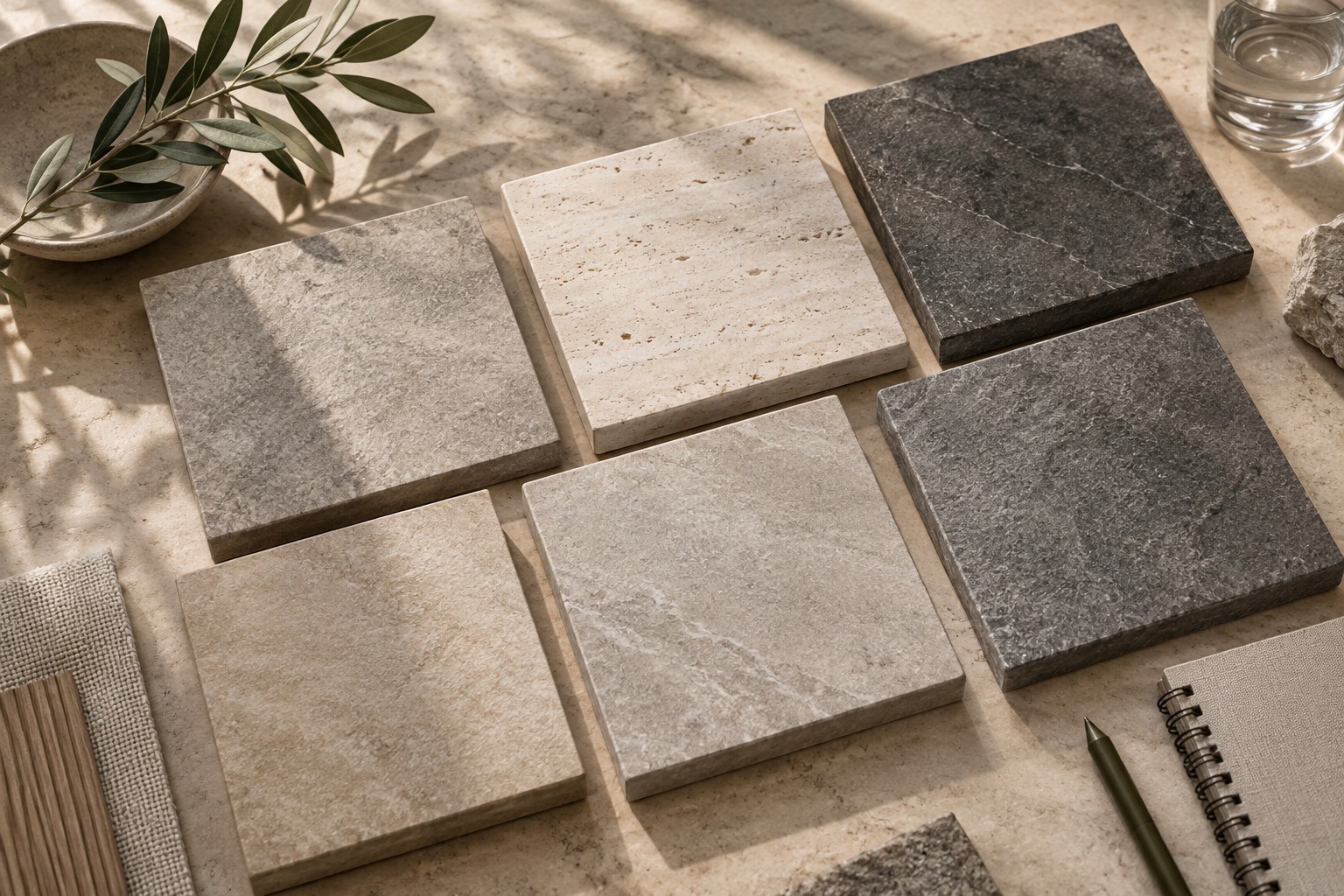
Assemble the closeout package
A closeout package for surface work includes the selection record, the manufacturer's datasheets and care guides, installation instructions, inspection photographs, and a list of installed products with locations. It should also note any substitutions and the reason for them. For exterior work, include the drainage and base details. For interiors, include the transition and movement-joint details.
The package can be digital or printed, but it should be organized and complete. It is the client's manual for the surfaces they now own, and it is the contractor's record of what was delivered.
Walk the client through care
A short walkthrough is more effective than handing over a binder. Show the client how to clean each surface, which products to avoid, what to do about spills, and what seasonal tasks matter. Point out movement joints, drains, and any areas that deserve periodic inspection. Demonstrate the care routine, don't just describe it.
Ask the client to identify who will maintain the surfaces and whether they have the tools and products needed. Providing a starter cleaning product or a specific recommendation removes friction. A client who understands the care required is far more likely to keep the surfaces in good condition.
Leave spare material
Keep a small quantity of each surface material for future repairs, stored where the client can find it. Note the product, color, finish, and batch or caliber so a replacement can be matched. For natural stone, a spare piece from the same lot preserves the appearance of a repair far better than a later purchase.
Label the spare material and record its location in the closeout package. A repair years later is much easier when matching material is on hand and its identity is documented.
Set the maintenance expectations
Explain the realistic maintenance each surface requires and how often. Clarify which tasks are routine, which are seasonal, and which require a professional. Explain what sealing, if any, the manufacturer recommends, and whether it must be renewed. Set expectations for how the surface will age, including normal variation and patina.
A client who expects zero maintenance on any exterior surface will be disappointed. Honest expectations at handoff protect the relationship and the reputation of the trades involved.
Plan warranty and service
Explain what each warranty covers and how to make a claim. Product, workmanship, and design warranties are separate, and the client should know which is which. Provide contact information and any required maintenance records. Note that some warranties require specific care or installation practices.
Offer a simple inspection or service interval if appropriate. Catching a small issue early, such as a failed sealant joint or a loose edge, is cheaper than a major repair. A clear service path turns a one-time project into a durable relationship.
Make the closeout useful after the warranty expires
The MSI library includes installation and warranty documents, while Cosentino publishes surface-specific floor maintenance guidance. Gather the versions that match the actual installed products rather than saving a generic supplier homepage. Label leftover pieces and the locations they belong to. Include the drainage and joint inspection routine as well as cleaning. A future owner should be able to identify the material and understand a repair conversation without reconstructing the original purchase.